“The chief and most holy seat of the gods,” say the Eddas, “is by the Ash Yggdrasil. There the gods meet in council every day. It is the greatest and best of all trees. Its branches spread over the world and reach above heaven. Three roots sustain the tree and stand wide apart; one is with Asa; the second is with the Frost giants; the third reaches into Niflheim, and under it is Hvergelmar, where Nidhug gnaws the roots from below. But under the second root, which extends to the Frost giants, is the well of Mimir, wherein knowledge and wisdom are concealed. The third root of the Ash is in Heaven, and beneath it is the most sacred fountain of Urd. Here the gods have their doomstead. The Asa ride thither every day over the Bi-frost, which is also called Asa-bridge. There stands a beautiful hall near the fountain beneath the Ash. Out of it come three maids. These maids shape the lives of men, and we call them the Norns. On the boughs of the Ash sits an eagle, who knows many things. Between his eyes, sits the hawk, called Vedfolner. A squirrel, by name Ratatösk, springs up and down the tree and bears words of hate between the eagle and Nidhug. Four stags leap about in the branches of the Ash and bite the buds. The Norns that dwell by the fountain of Urd every day take water from the fountain, and clay that lies around the fountain, and sprinkle therewith the Ash, in order that its branches may not wither or decay.”
Source: The Prose or Younger Edda, translated by G. W. Dasent, p. 16
Yggdrasil, Tree of Asgard
This post is part of a series on Tree of Life,
sourced from Norse mythology .
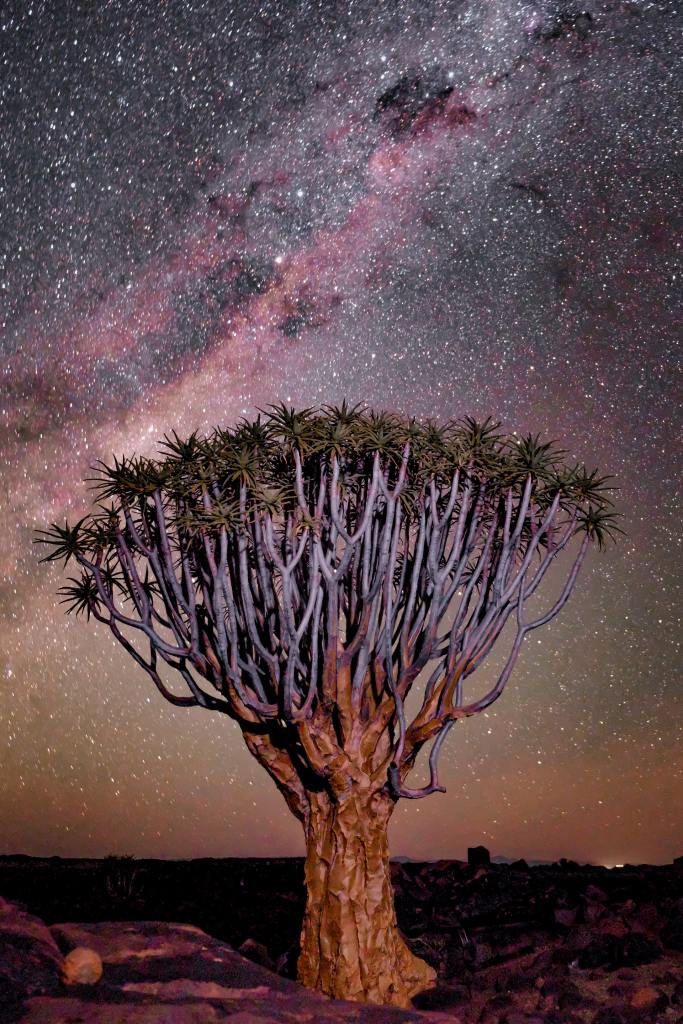
The baobab is the archetypal symbol of the inverted tree, where we integrate and bring the heaven into the earth and the earth into the heaven.
When leading up to the angel’s question, “Knowest thou the condescension of God,” the text focuses exclusively on Mary. Who would you reasonably expect to be the woman chosen before this world was organized to become the mortal Mother of the Lord? Who would you expect Heavenly Father would want
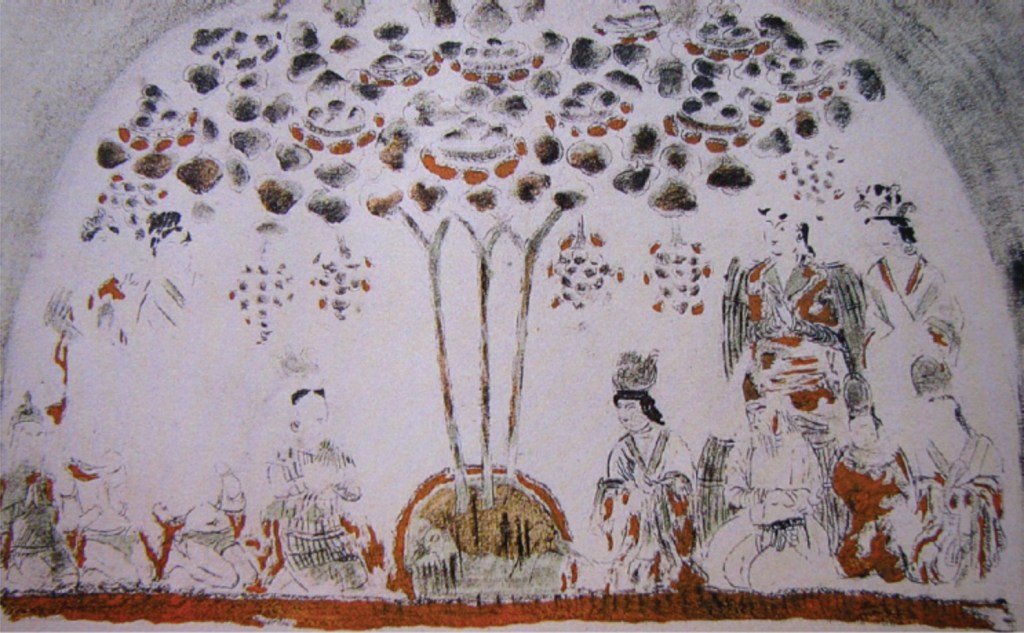
This fresco known as the Veneration of the Tree of Life was discovered in the early 20th century in a cave in Turpan, Xinjiang, China. According to the teachings, there is a tree of life growing in the Kingdoms of Light. In the center it has three trunks which symbolize
Explore Other Themes
Top Topics
12Apr Conf
Adam
Agency
Apostasy
Ascension
Atonement
Childhood
Christmas
Consort
Creation
Death & Resurrection
Discernment
End Times Prophecy
Eve
Faith
Family
fasting
Fasting Lord
Father
Flee
Flood
Followers
Gabriel
Health
Hope
Immaculate Conception
Justice
Language
Life of
Love
Marriage
Marriage and Family
Mercy
Miracles
Mother
Offerings
Passover
prayer
Purification
Raphael
Rebellion
Redemption
Reformation
repentance
Restoration
Sacrament
Science
Scripture
Second Coming
signs
sons of
Spirit
stars
temple
Temptations
The Lord
Times & Seasons
Tree of Life
Tribe of Judah
Tribe of Manasseh
Tribes of Israel
Truth
Uriel
Visitors
Zion
Category
African Traditional Apocrypha Blog Buddhism Catholicism Celtic Mythology China Christianity Covenant Christian Egypt Fairy Tales Finnish Mythology Greek mythology Hinduism Islam Japan Judaism Mesopotamia Mormonism Native American Norse mythology Roman Mythology Russian - Slavic Mythology Science South America