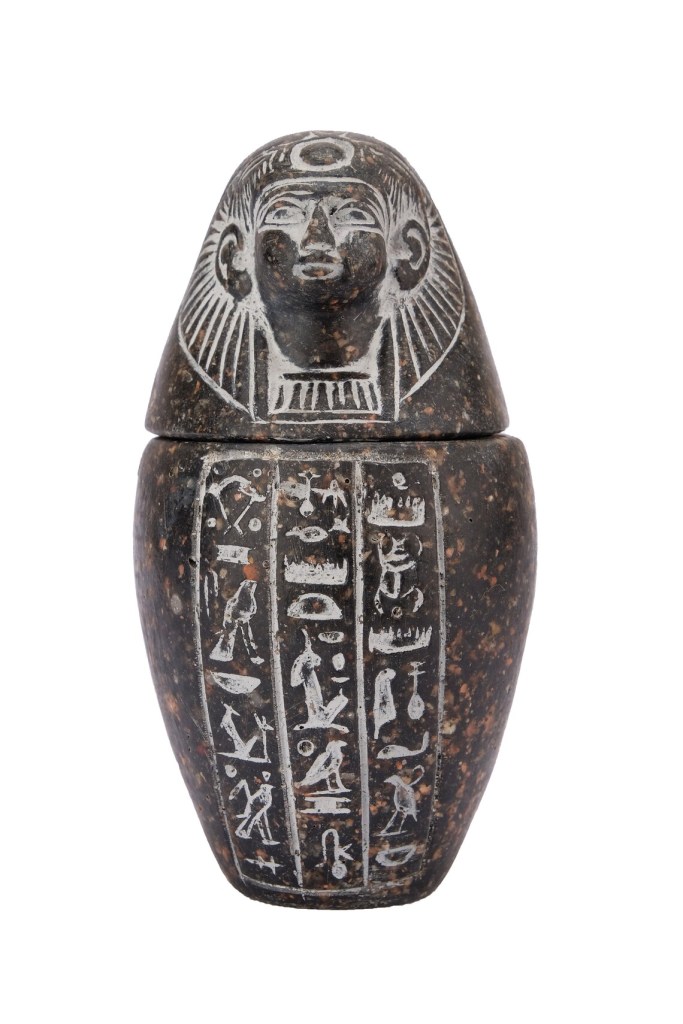
The southern position and his association with fire helps identify Thoth in the Hindu tradition.
Agni is a Sanskrit word meaning fire, and connotes the Vedic fire god of Hinduism. He is also the guardian deity of the southeast direction, and is typically found in southeast corners of Hindu temples.
Agni is considered as the mouth of the gods and goddesses, and the medium that conveys offerings to them in a homa (votive ritual). This responsibility to convey messages from the gods was given greater focus in Roman and Greek cultures. Agni is conceptualized in ancient Hindu texts to exist at three levels: on earth as fire, In atmosphere as lightning, In the sky as sun.
This triple presence connects him as the messenger between gods and human beings in the Vedic thought.
The origin story found in many Indo-European cultures is one of a bird, or bird like being, that carries or brings fire from the gods to mankind. Alternatively, this messenger brings an elixir of immortality from heaven to earth. In either case, the bird returns everyday with sacrificial offerings for the gods, but sometimes the bird hides or disappears without trace.
While bird-like features are not part of the personification of Agni, this concept found it’s way into both the head of the Egyptian renderings and as bird’s wings in the the clothing of Roman and Greek depictions. Some Vedic hymns associate Agni with the phrase the “heavenly bird that flies”.
Notice the presence of the goat and the staff.