Purified in Sacred Ponds

Buddha salt water

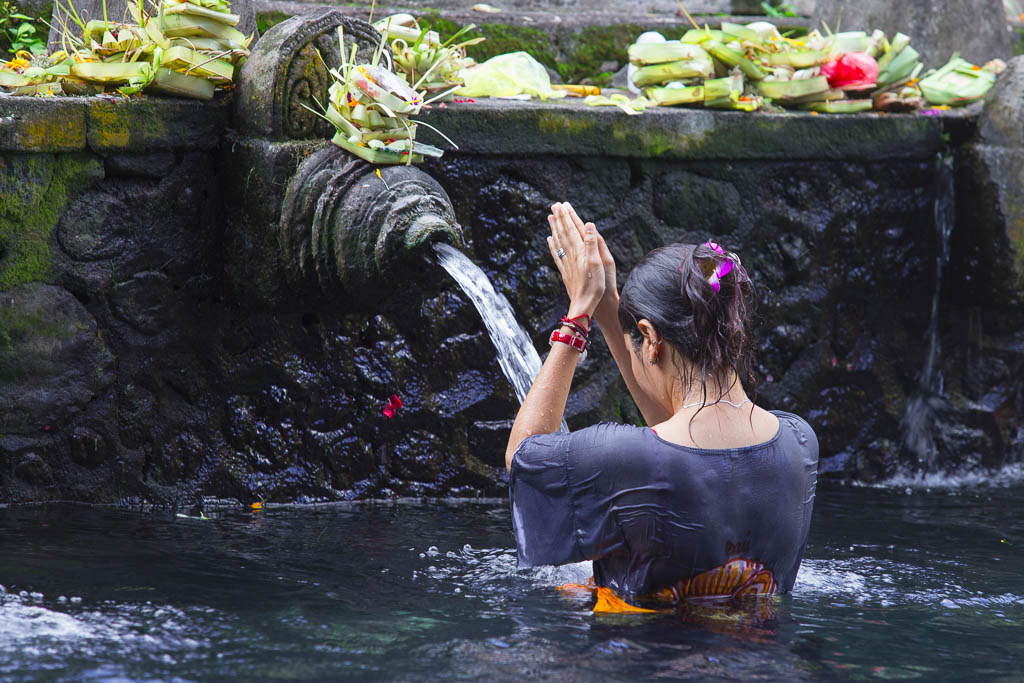
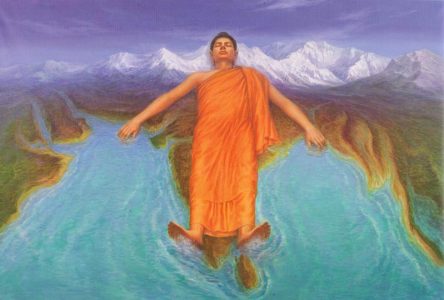
As wild horses are made to bear the yoke, even so did he subdue his passions, and in virtue he surpassed his kinsmen and his friends. The knowledge he acquired he placed at the service of his fellow-men, and he only studied those subjects that were useful to all. He not only sought the welfare of his own people but he also wanted the whole world to be happy. He purified his body with the water from the sacred ponds, and he purified his soul with the holy water of virtue. He never uttered a word that was pleasant and yet a lie; the truths he spoke never gave offense or pain. He tried to be just, and it was by honesty, not by force, that he defeated the pride of his enemies. He did not strike, he did not even look with anger upon those who deserved the penalty of death; instead, he gave them useful advice, and then their freedom.

Source: Life of Buddha
This post is part of a series on ,

sourced from .

More On This Topic

The Ganesh murtis (statue) is made of clay with every intention to be temporary. On the 10th day families carry to a river, lake, or the sea. There, they gently lower the murtis (statue) into the water and let it dissolve, called Ganesh Visarjan (immersion).

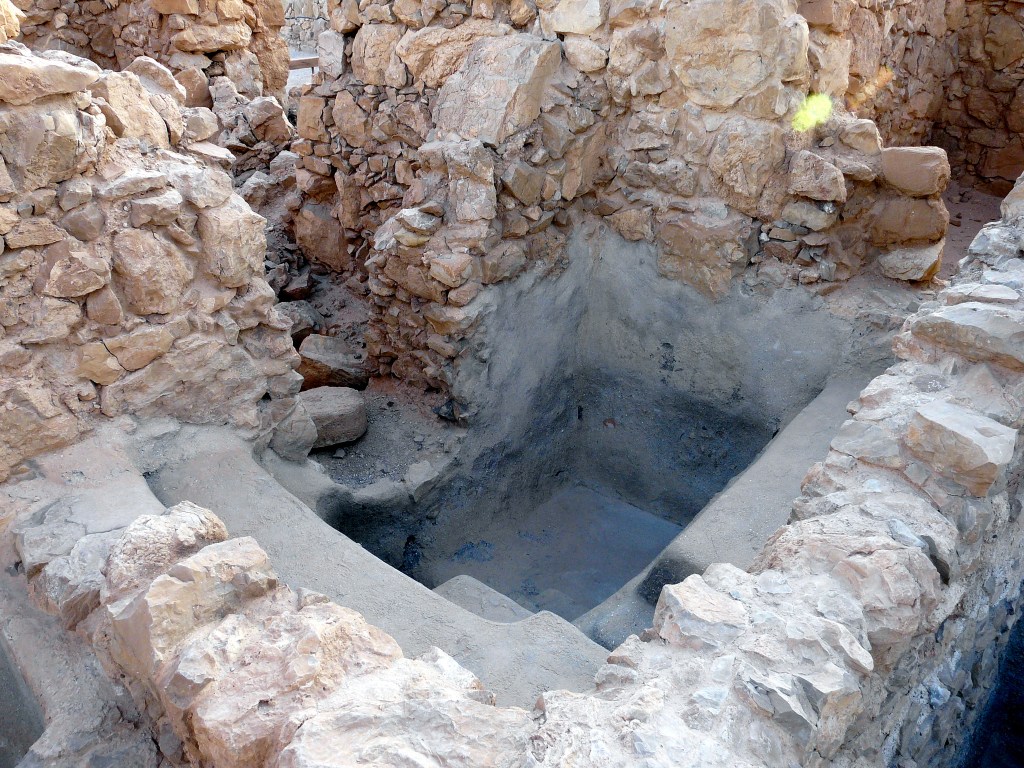
Jewish law requires that one immerse in a mikveh as part of the process of conversion to Judaism.  It also requres women to immerse before getting married and when observing the laws of niddah (menstrual purity).  Many Hasidic men immerse themselves in the mikveh every day.  Others immerse every Friday

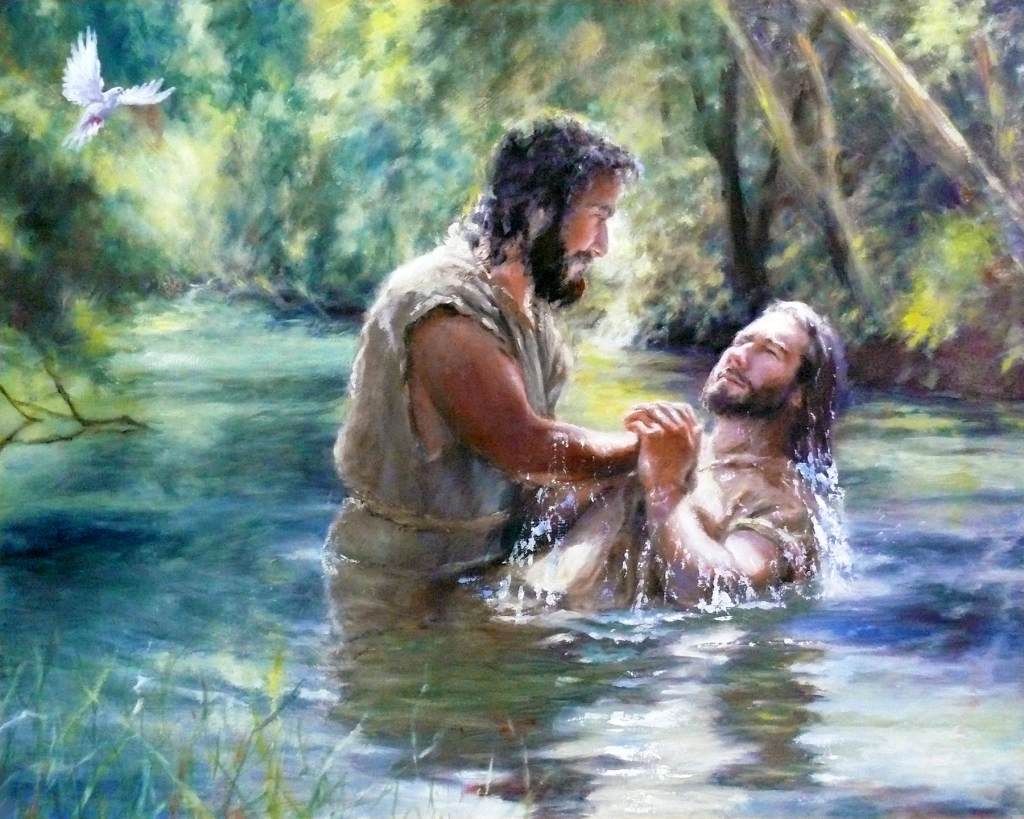
And then came Jesus from Galilee to Jordan, unto John, to be baptized of him. But John refused him, saying, I have need to be baptized of you, and why do you come to me? And Jesus, answering, said unto him, Suffer me to be baptized of you, for thus

Leave a Reply

Explore Other Themes