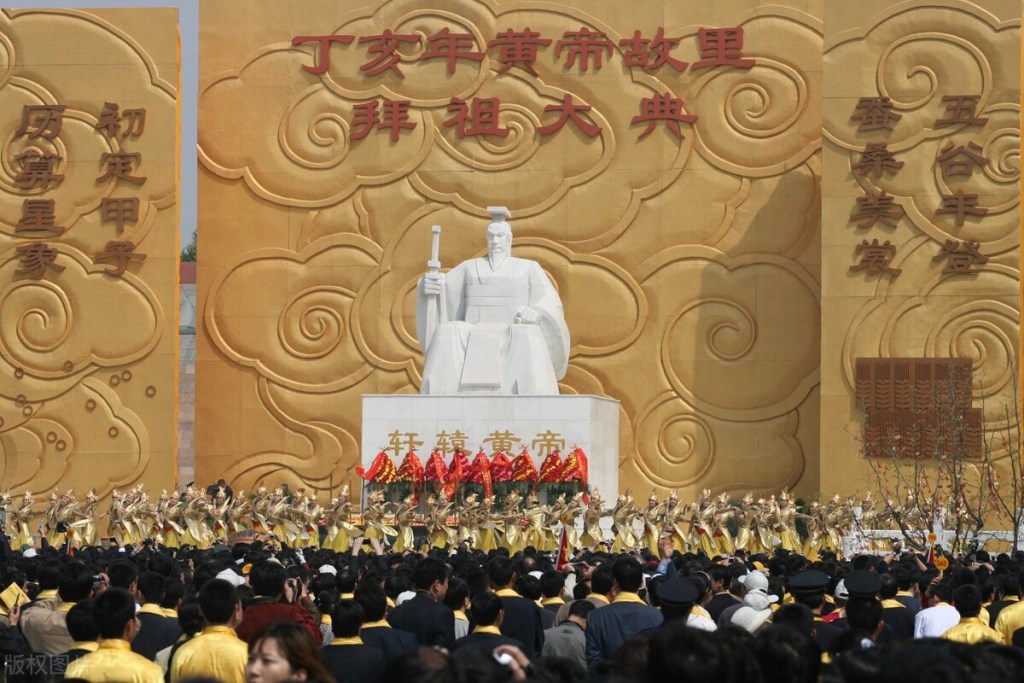
Ancestor veneration was tied to the idea that legitimate authority flows through lineage—which is why legendary figures like Huang Di, or the Yellow Emperor became revered as the ancestral founder of Chinese civilization. Ancestor reverence in China is not peripheral—it is foundational to the culture and worldview. The earliest recognized
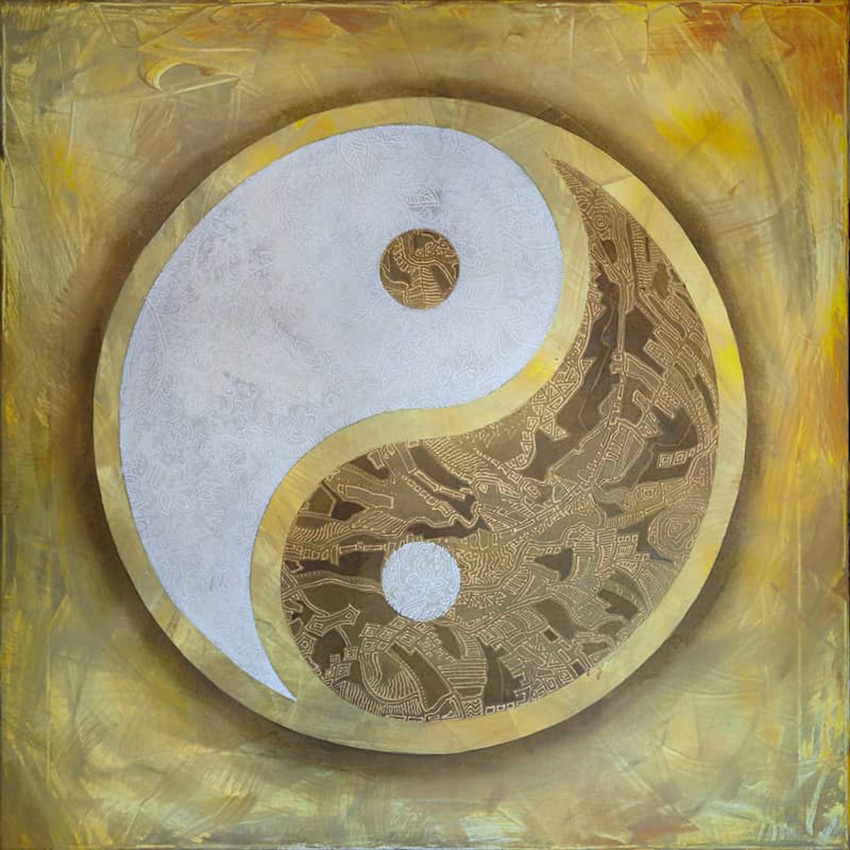
Tao is considered to be the Absolute Truth independent of any conditions, and the Ultimate Reality behind all phenomena. It is the underlying natural order of the universe whose ultimate essence is difficult to circumscribe because it is non-conceptual yet evident in one’s being of aliveness. Chapter 1 – Truth
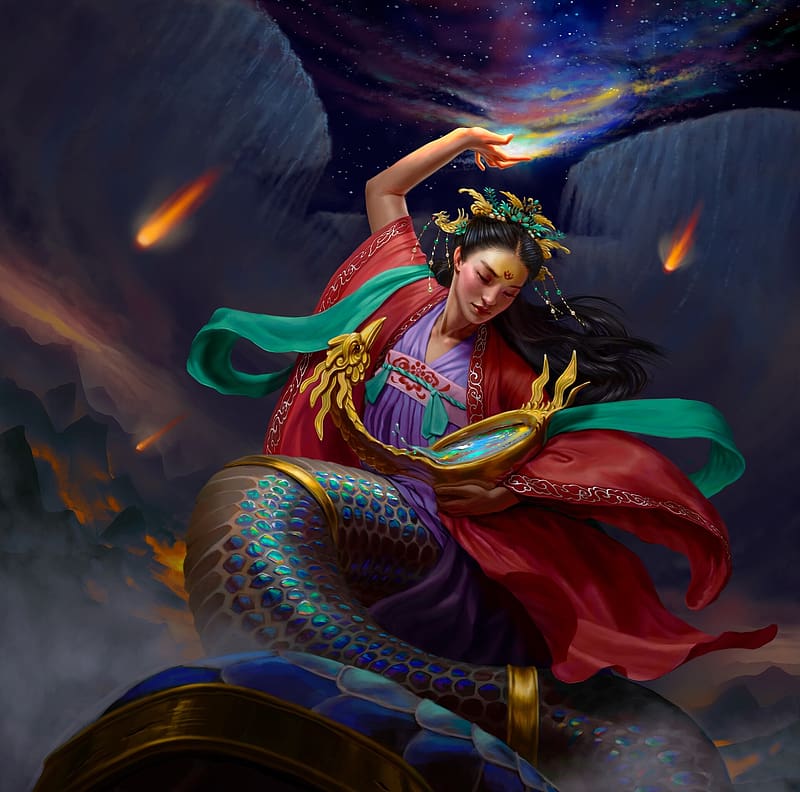
Nüwa and her brother, Fuxi, happened to escape into a boat at just the right moment (i.e. Ark, see Genesis 7:7 KJV) . After the floodwaters died down, they discovered that they were the last humans left on Earth.
Shangdi was originally worshiped in ancient China, particularly during the Shang Dynasty (c. 1600–1046 BCE). The term “Shangdi” means “Supreme Deity” or “Emperor on High.” He was considered the highest deity in the pantheon, overseeing other gods, spirits, and ancestors. Shangdi was associated with the natural order, the cosmos, and
“Yin and Yang have mistakenly switched, and the sun and moon were eclipsed. The sins of all the people are now on one man. Pardon is proclaimed to all under heaven.” History of Latter Han Dynasty, Volume 1, Chronicles of Emperor Guang Wu, 7th year.
Biblical stories are embedded into Chinese characters. Written Chinese arises from the beginning of Chinese civilization, which dates back about 4200 years. This means that the Chinese script was developed about 700 years before Moses edited the book of Genesis (ca 1500 BC). We can recognize Chinese calligraphy when we see
The Great Flood of Gun-Yu (Chinese: 鯀禹治水), also known as the Gun-Yu myth, was a major flood in ancient China that continued for two generations. This resulted in great population displacements and famine. People left their homes to live on the high hills and mountains, or nest on the trees.
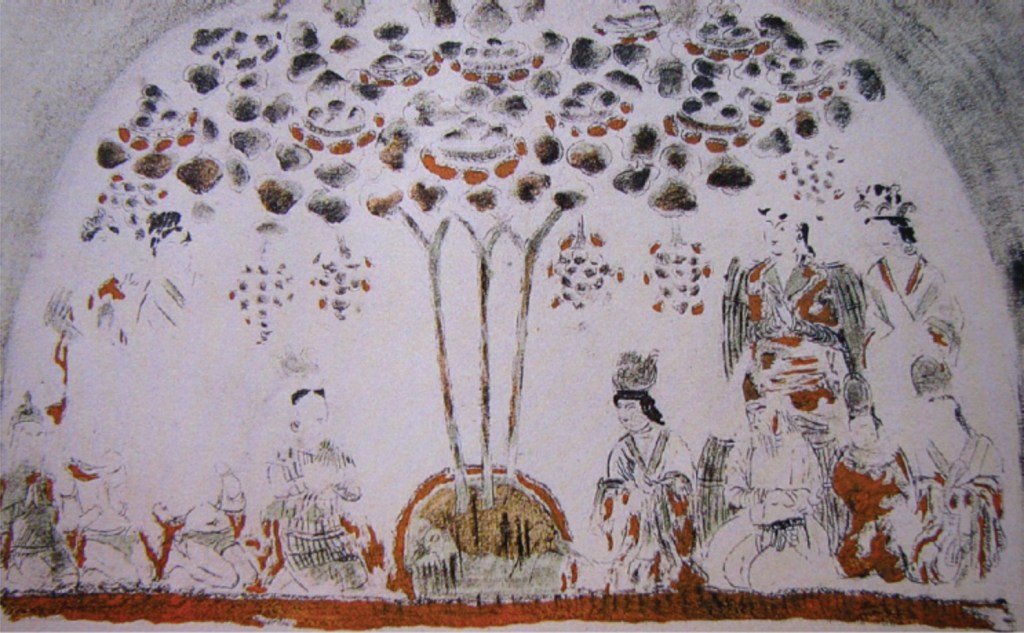
This fresco known as the Veneration of the Tree of Life was discovered in the early 20th century in a cave in Turpan, Xinjiang, China. According to the teachings, there is a tree of life growing in the Kingdoms of Light. In the center it has three trunks which symbolize
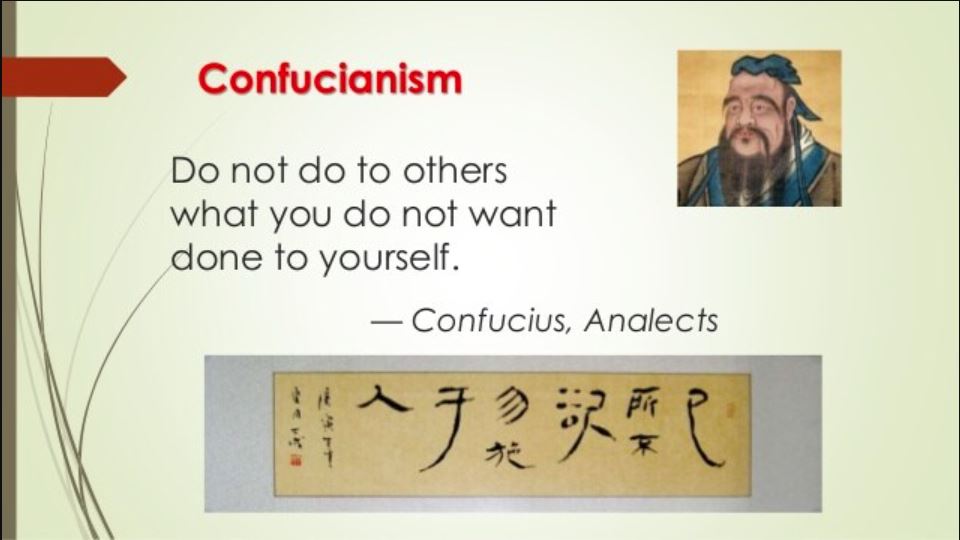
仲弓问仁子曰出门如见大宾使民如承大祭己所不欲勿施于人在邦无怨在家无怨仲弓曰雍虽不敏请事斯语矣 Original Source: Analects 12.2 Translations: Zhonggong asked about Goodness. The Master said, “ ‘When in public, comport yourself as if you were receiving an important guest, and in your management of the common people, behave as if you were overseeing a great sacrifice.’ Do not impose upon others what you