Hinduism

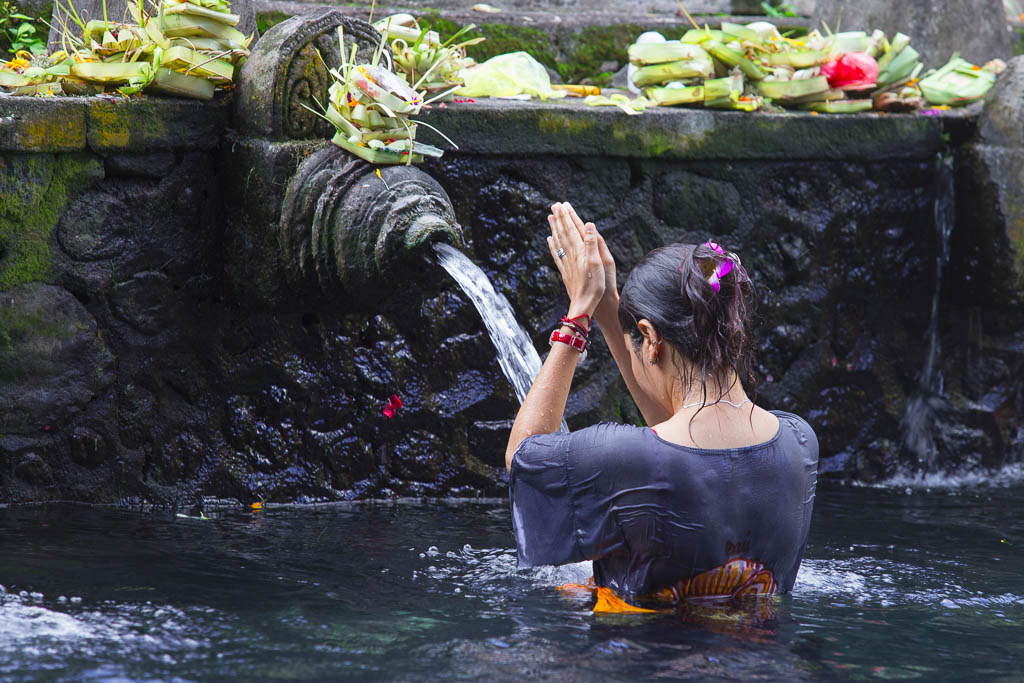
The Melukat ceremony is deeply rooted in Balinese Hinduism and is performed to purify individuals from spiritual impurities, emotional burdens, and negative energies. The term “melukat” derives from the old Javanese word “lukat,” meaning “to cleanse” or “to purify.” This ritual is not only a personal cleansing but also a

Legend Long ago, during the Satya Yuga (the first age of the world), a mighty demon named Mura terrorized the universe. He was so powerful that even the gods were helpless against him. In desperation, they sought the protection of Lord Vishnu, the preserver of the cosmos. Lord Vishnu fought

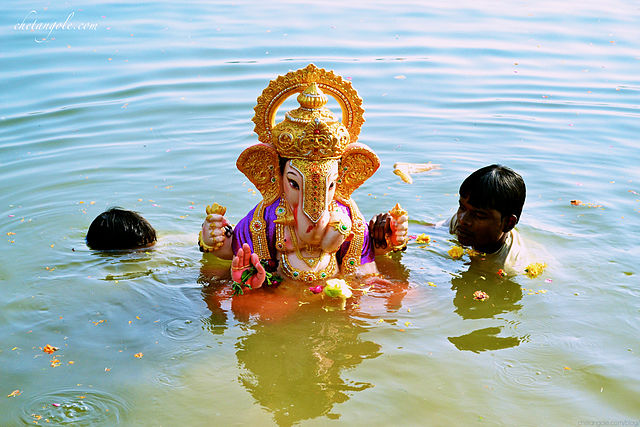
The Ganesh murtis (statue) is made of clay with every intention to be temporary. On the 10th day families carry to a river, lake, or the sea. There, they gently lower the murtis (statue) into the water and let it dissolve, called Ganesh Visarjan (immersion).

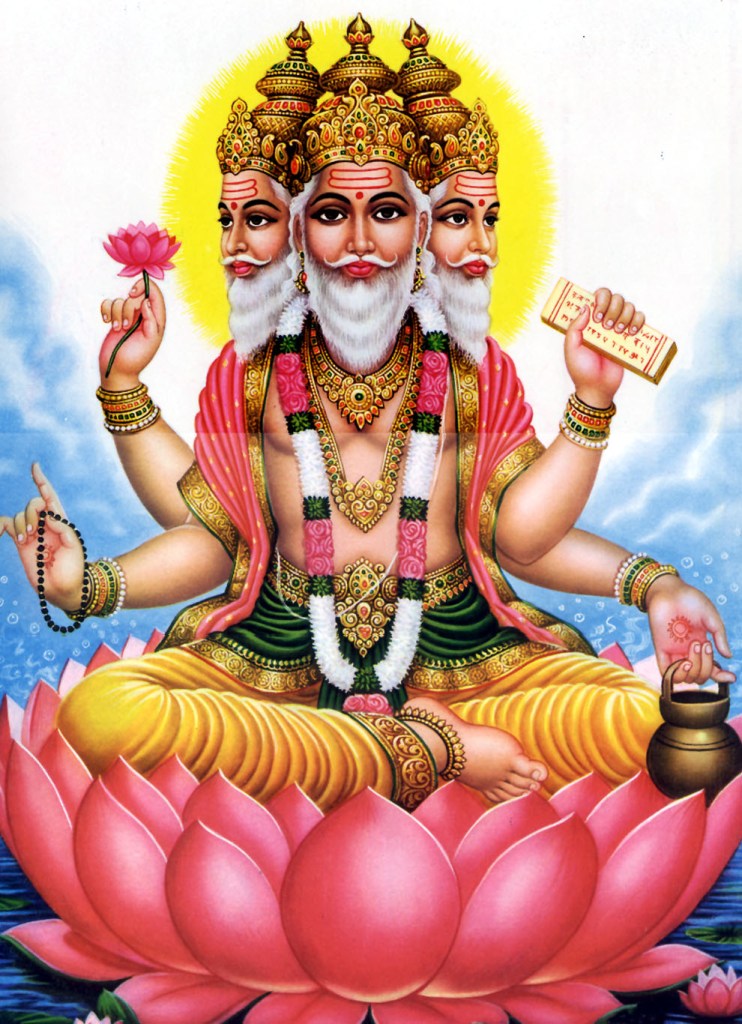
Brahma is the name of the Hindu god associated with creation, knowledge and the Vedas (scriptures). He is part of the godhead that includes Vishnu (one of his avatars is Krishna) Brahma is usually depicted sitting on a lotus flower. Here, there is a crossover to Buddhism, where the elephant

The miracles attributed to Krishna in Hindu tradition offer a captivating perspective on the divine intervention in human affairs. While the stories of Krishna’s extraordinary feats stand as profound examples of his divine nature, some scholars and thinkers have explored the possibility that these miracles, recorded circa 1500-1200 BCE, might

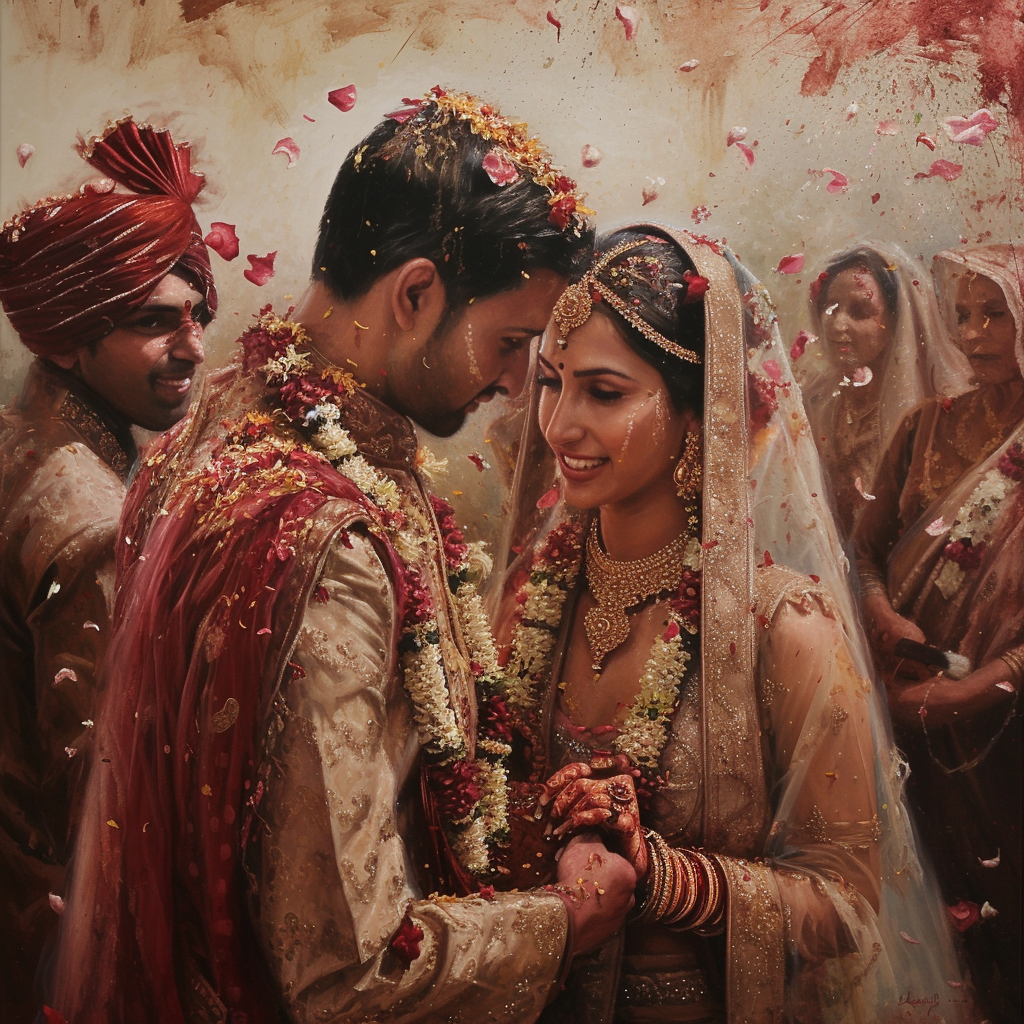
The concept of marriage is deeply embedded in the broader framework of Hindu philosophy, emphasizing the importance of dharma (moral and social duty), artha (material prosperity), and kama (sensual and emotional fulfillment). The marital relationship is also seen as a means of spiritual growth and mutual support in the journey

Kubera (Sanskrit: कुबेर, romanized: Kuberā) also known as Kuvera, Kuber and Kuberan, is the god of wealth, and the god-king of the semi-divine yakshas in Hinduism. He is regarded as the regent of the north (Dikpala), and a protector of the world (Lokapala). His many epithets extol him as the

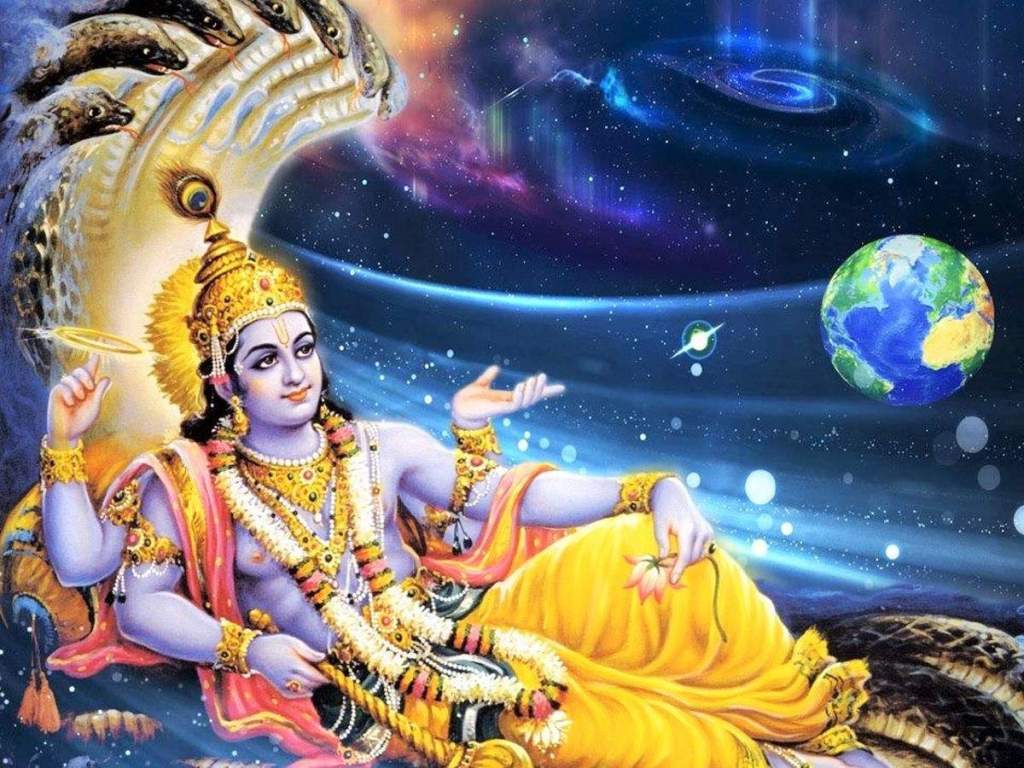
Viṣṇu (pronounced Vishnu) is among the most important deities of Hinduism. Along with Brahmā (see: Father Ahman) and Śiva (Shiva, self absorbed god of destruction), Vishnu forms the principal trinity of Hindu religious practice. “Persons who are strongly entrapped by the consciousness of enjoying material life, and who have therefore

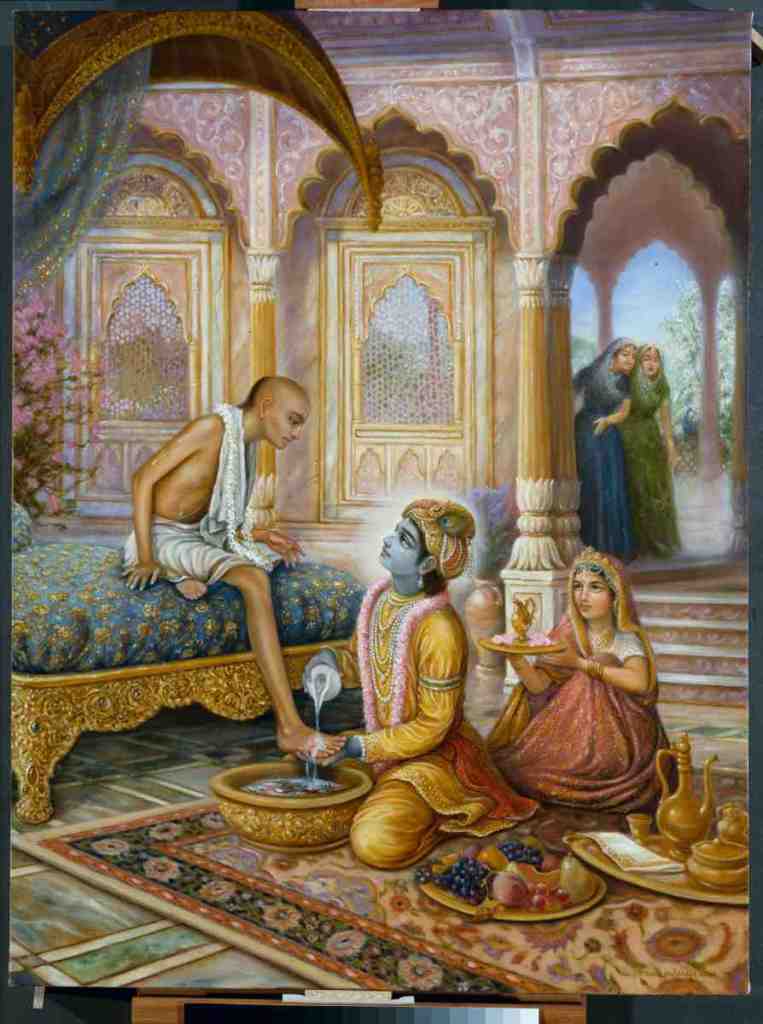
The learned brāhmaṇa (Sudama), joined by some local brāhmaṇas*, passed three guard stations and went through three gateways, and then he walked by the homes of Lord Kṛṣṇa’s faithful devotees, the Andhakas and Vṛṣṇis, which ordinarily no one could do. He then entered one of the opulent palaces belonging to

Kalki (meaning “eternity” or “mighty warrior”) is the last incarnation of Vishnu. He is not expected to appear until the end of Kali Yuga, the current time period. Kalki will come, it is believed, to rid the world of oppression by unrighteous rulers. It is said that he will appear

Kuntī thanked the Lord within herself. As she watched Karṇa leave the arena her mind went back to the day of his birth. She had only wanted to test Durvāsā’s boon. She had no idea the mantra would prove so powerful. Kuntī remembered how she had been lying on her

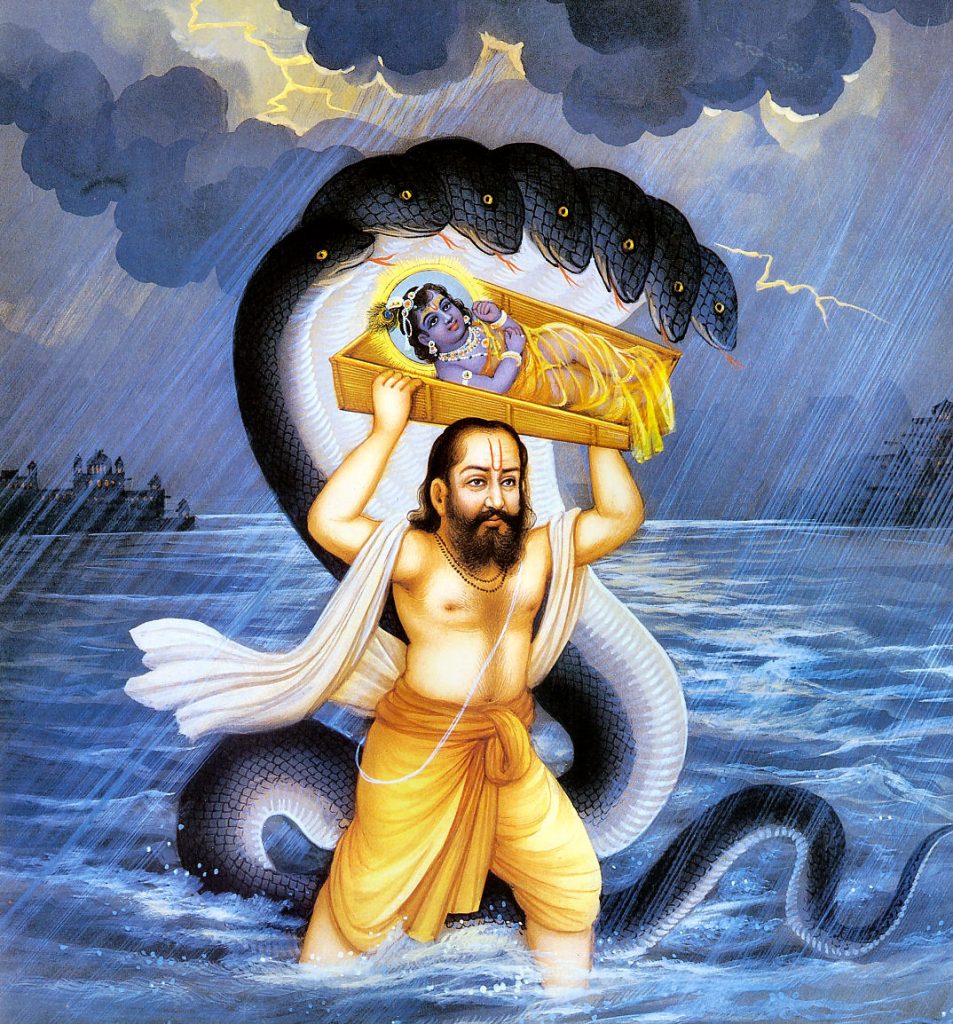
According to the Bhagavata Purana immediately after Krishna’s birth Kamsa, the wicked king of Mathura, threatened Krishna’s life. The baby’s adopted father, Vasudeva, secretly took him to the countryside as soon as he was born. His night time escape from the city was during a rainstorm. The swollen Yamumna river

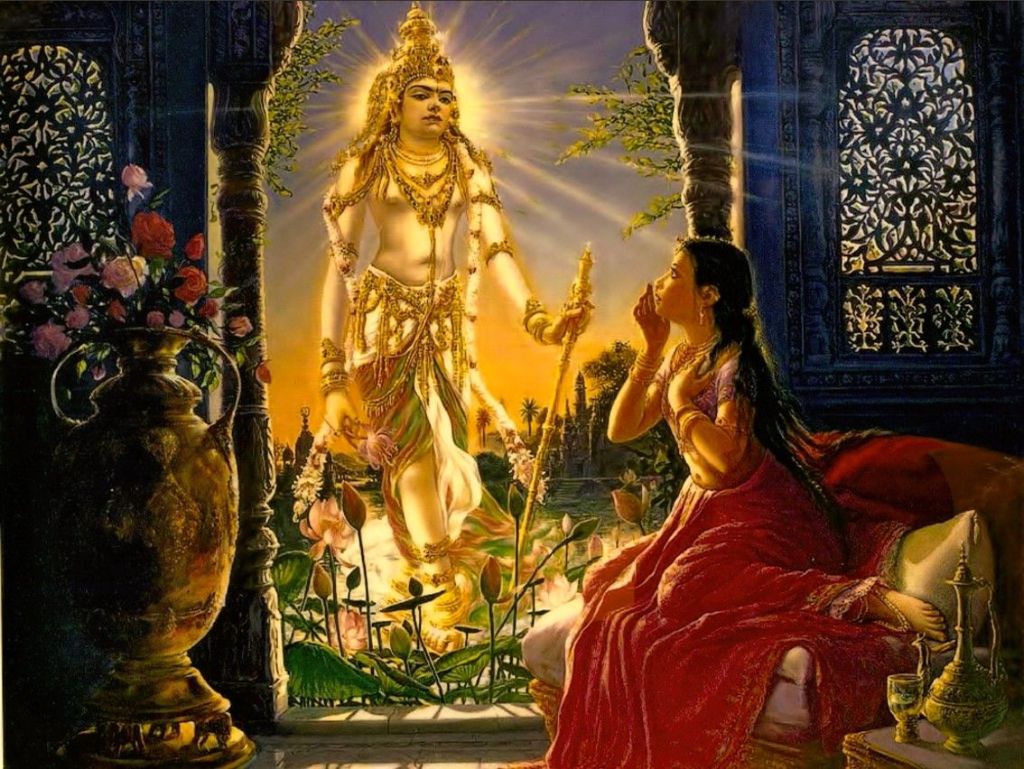
Devaki conceived Krsna by divine conception as the child was transferred into her womb by mind to mind transference. Krishna was the 8th child of Devaki and also the 8th avatar of Vishnu. From Śrīmad-Bhāgavatam “Thereafter, accompanied by plenary expansions, the fully opulent Supreme Personality of Godhead, who is all-auspicious

Hayagriva succeeded in stealing Rig Veda, Yajur Veda, Sama Veda and Atharva Veda (books of scripture) from Brahmaloka (the abode of God).  Brahma (Father) knew that the people on earth would not be able to make use of the Vedas (scriptures) until they were purified. He knew that social values

From the Bhāgavata Purāna “Desiring the preservation of herds, Brāhmans, genii, and virtuous men—of the Vedas, of law, and of precious things—the Lord of the Universe assumes many bodily shapes; but though he pervades, like the air, a variety of beings, yet he is himself unvaried, since he has no

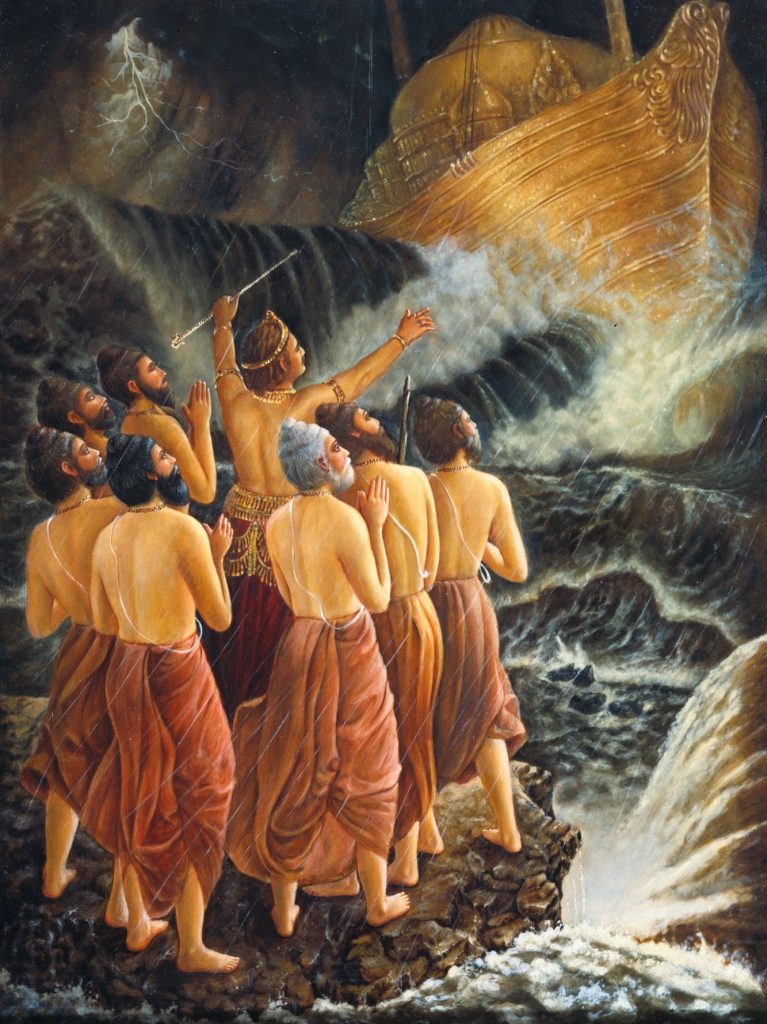
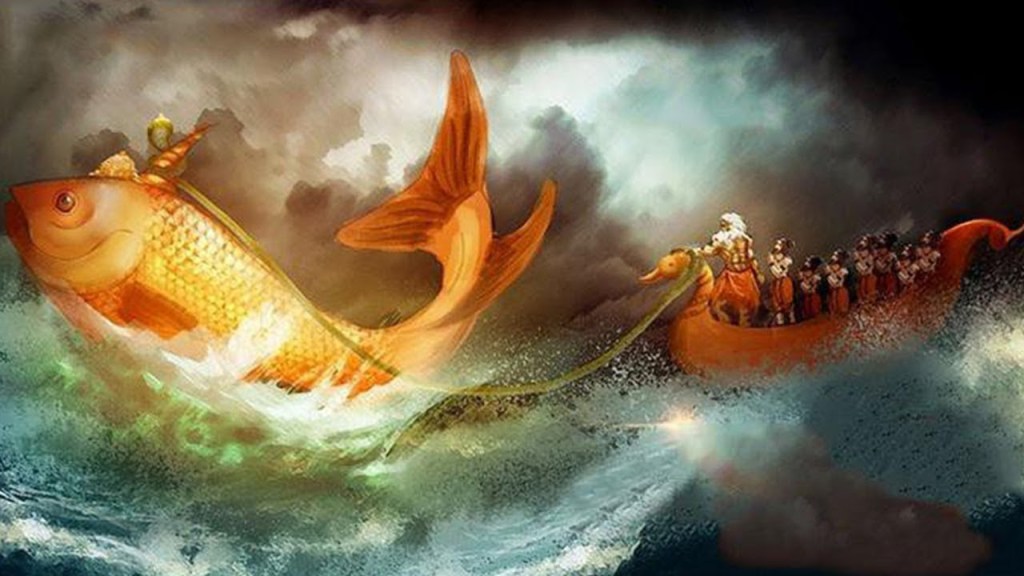
From The Mahābhārata “Along the ocean in that stately ship was borne the lord of men, and through Its dancing, tumbling billows, and its roaring waters; and the bark, Tossed to and fro by violent winds, reeled on the surface of the deep, Staggering and trembling like a drunken woman.

After thirty six years passed, a fight broke out between the Yadavas, at a competition, United Nations agency killed one another. Krishna retired into the forest and began meditating beneath a tree. The Hunter Jara, mistook Krishna’s partially visible left foot for that of a ruminant, associate degreed shot an

The southern position and his association with fire helps identify Thoth in the Hindu tradition. Agni is a Sanskrit word meaning fire, and connotes the Vedic fire god of Hinduism. He is also the guardian deity of the southeast direction, and is typically found in southeast corners of Hindu temples.

What a strange thing it would be to find a king that chose to set aside the usual tools of force and fear, to instead rule by patient persuasion and love. And yet this is exactly how God “rules” his people.
Many of us know India either by the name of "India" or "Bharata". Some who have a little interest in history, also, know India by the name of "Bharatvarsha" or "Aryavarta". But in past immemorial, India was known by several different names in several different eras and societies and some
The striking similarities in Sanskrit and Russian indicate that during some period of history, the speakers of the two languages lived close together.